
Research Article Details (Harvard Reference): Unnikrishnan, G., Singh, A. & Purohit, B.M. (2025) ‘Effectiveness of behavioural therapy and inhalational sedation in reducing dental anxiety among patients attending dental clinics – a systematic review and meta-analysis’, Evidence-Based Dentistry, 26, pp. 70–71. doi:https://doi.org/10.1038/s41432-024-01081-9
Background
Dental anxiety is a common problem that both adults and children face, and involves anxiety about the thought of visiting a dental clinic or undergoing dental procedures. The prevalence of dental anxiety reportedly ranges from 5.7-20.6% in children and 3.3-15% in adults. Feelings associated with dental anxiety can range from mild unease to severe phobia, which can lead to avoidance of dental visits and thus deterioration of oral health; therefore, evidence-based interventions are essential in treating anxious patients to build trust, encourage positive oral health habits and alleviate dental anxiety.
Several behavioural and pharmacological interventions are available to reduce patient dental anxiety. Behavioural therapies focus on changing irrational thinking through learning techniques, and can be divided into two groups. Cognitive behavioural therapy (CBT) techniques target long-term fear reduction by addressing root causes. Other behavioural therapies such as hypnosis, aromatherapy and acupuncture provide more temporary anxiety relief; however, both CBT and alternative therapies have been shown to effectively reduce dental anxiety.
Pharmacological interventions such as inhalation sedation (IHS) involve administering drug(s) that target the central nervous system. Though effective, these methods can have adverse effects, risks and contraindications, and be more costly.
Aims
The authors aimed to compare the effectiveness of behavioural therapy and IHS in reducing dental anxiety in patients visiting dental practices.
Methods
Authors carried out the meta-analysis according to PRISMA guidelines. The PICO (Population, Intervention, Comparison, Outcome) format was used:
- Population – Children and adults with dental anxiety
- Intervention – Behavioural therapy for patients with dental anxiety
- Comparison – Patients with dental anxiety receiving IHS
- Outcome – Changes in the dental anxiety scores
The studies included were all RCTs and observational studies which compared the effectiveness of behavioural therapy with IHS among children and adults to reduce dental anxiety.
Outcomes were assessed by quantifying changes in dental anxiety scores using validated dental anxiety scales.
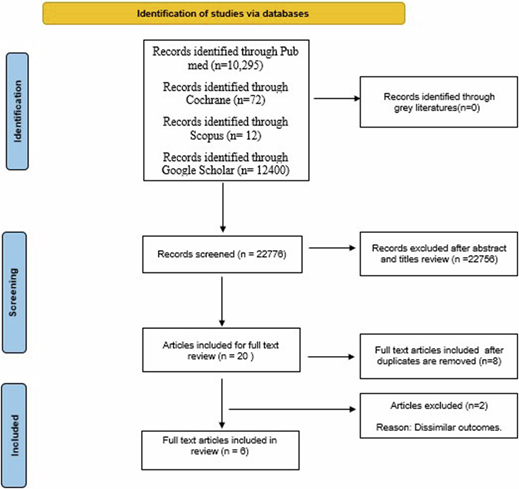
Authors conducted a systematic review using PubMed, Cochrane, Scopus and Google Scholar; the final search string used a wide range of behavioural and sedation-related terms. Eligible articles were assessed for bias using the Cochrane Collaboration’s Tool.
Results
From the six included studies, a total of 924 participants were included: 457 from the behavioural therapy group and 467 from the IHS group. Most study participants were children, but two studies also included adults. In three studies, no significant differences were seen between the two methods. Two studies showed that behavioural therapy was more effective, and one study showed that IHS was more effective for reducing dental anxiety in patients.
Conclusion
The results from all patients combined showed that behavioural therapy was more effective than IHS for reducing dental anxiety, especially among children. The efficacy of behavioural therapy may be due to its effect on negative thoughts, aiming to reduce focus on the situation causing anxiety, through techniques such as distraction encouragement and thought stopping. Behavioural therapy is a non-invasive method of managing dental anxiety, and compared to IHS, it is safer, more cost-effective, and has minimal adverse effects. However, there is less strong evidence regarding the long-term effectiveness of behavioural therapies. Although IHS can provide more immediate, short-term relief, it does not address the root causes of the problem. Future research should focus on exploring the long-term benefits of behavioural therapy compared to IHS to reduce dental anxiety in a diverse population of patients.
The findings of this paper emphasise the importance of training being provided to dental practitioners in basic behavioural therapy techniques, in order for clinicians to incorporate management of dental anxiety to improve patient outcomes and allow for greater access to dental care.
Research Summary Written By: Zunaira Shah, University of Manchester – BDS 2